
Teaching Aids in English Language Teaching (ELT)
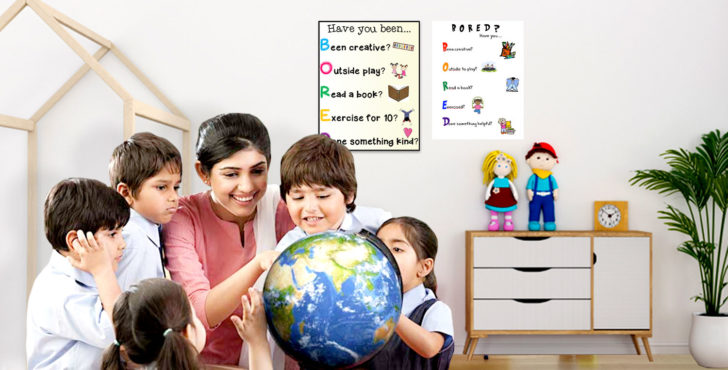
In ELT methodology, teaching aids (instructional media) are physical, audio-visual, or digital tools employed by language teachers to facilitate learning, contextualize abstract grammatical concepts, sustain learner engagement, and stimulate multisensory language comprehension. They range from low-tech realia and chalkboards to modern Computer-Assisted Language Learning (CALL) applications. Effective teaching aids transform teacher-dominated classrooms into interactive, learner-centered communicative environments.
Visual, Audio, AV & Realia
Categorized by the sensory channels they stimulate: sight, sound, or physical manipulation.
The 4 'A's Framework
Accessibility, Appropriateness to age/level, Accuracy, and Active learner engagement.
HNDE ELT Methodology I (EN 1104)
Mandatory exam topic evaluating instructional material design for trainee English teachers.
Taxonomy & Classification of Teaching Aids
| Category | Examples & Instructional Media | Pedagogical Strengths in Language Learning |
|---|---|---|
| 1. Visual Aids (Non-Projected) | Chalkboards, flashcards, wall charts, diagrams, comic strips, posters. | Highly reliable, zero power dependence, excellent for vocabulary drills, grammar timelines, and spelling reinforcement. |
| 2. Realia & Tactile Aids | Real-life objects: fruit, train timetables, menus, tickets, post-cards. | Bridges abstract classroom learning with authentic daily reality; indispensable for communicative task-based roleplays. |
| 3. Audio Aids | Podcasts, radio broadcasts, audio clips, native speaker dialogues, music. | Develops phonological awareness, intonation recognition, and listening comprehension of diverse regional accents. |
| 4. Audio-Visual Aids | Documentary clips, film excerpts, animations, YouTube educational videos. | Provides rich sociocultural context; reinforces spoken dialogue with facial expressions, body language, and environmental cues. |
| 5. Digital / CALL / Mobile Aids | Interactive whiteboards, Kahoot/Quizlet, mobile language apps, Google Classroom. | Fosters autonomous learning, instant gamified feedback, and dynamic multimodal interaction. |
Criteria for Selecting Effective Teaching Aids: The 4 'A's
1. Appropriateness (Target Level & Age)
The aid must match the cognitive development, cultural sensitivities, and linguistic proficiency of the students. Flashcards suitable for primary learners should not be patronizingly used for adult trainees.
2. Accessibility & Practicality
The tool must be easily procurable, cost-effective, and functional within the specific physical classroom context without requiring excessive setup time or fragile infrastructure.
3. Accuracy & Clarity
Visuals and audio must be free of factual, phonetic, or grammatical errors. Lettering must be legible from the rear corners of the classroom.
4. Activity-Generating Capacity
An effective aid is not merely a passive display; it must act as a springboard for student interaction, pair discussions, or creative language production.
Frequently Asked Questions: Teaching Aids in ELT
What is "realia" in language teaching?
Realia refers to authentic, real-world objects brought into the classroom (e.g., tickets, fruit, newspapers, clothing) to provide tactile, tangible context for language lessons rather than relying on abstract translations.
Can teaching aids replace the language teacher?
No. Teaching aids are supplementary instruments designed to assist and amplify instruction. They require the teacher's pedagogical orchestration, questioning techniques, and feedback to convert sensory input into communicative competence.

Discussion & Inquiries (0)
Ask questions, request study materials, or join the discussion
Sign In with Google for One-Click Comments